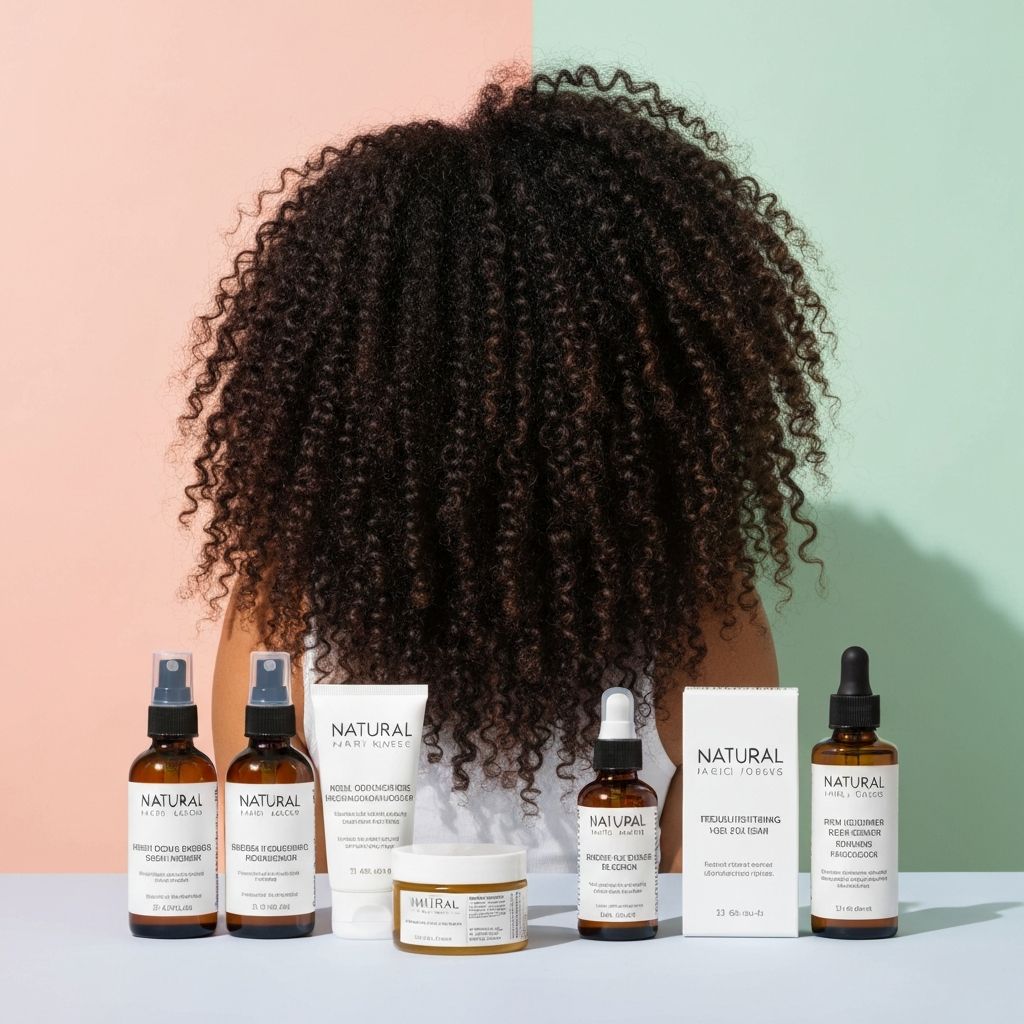
Natural Hair Care: Embracing Your Hair's True Texture
Maya Patel
January 24, 2025
Natural Hair Care: Embracing Your Hair's True Texture
Embracing your natural hair is a beautiful journey of self-acceptance and learning what your hair truly needs to thrive. Whether you're transitioning or have always worn your hair natural, this comprehensive guide will help you develop a routine that keeps your curls, coils, and waves healthy, strong, and vibrantly beautiful.
Understanding Your Natural Hair Pattern
Hair patterns vary widely across the curl spectrum, from loose waves to tight coils. The curl pattern classification system ranges from Type 1 (straight) through Type 4 (coily/kinky). Understanding your specific pattern will help you choose appropriate products and styling techniques.
**Common Hair Types:**
Within these categories, your hair also has varying levels of porosity and density, which affect how it absorbs and retains moisture.
Essential Natural Hair Care Steps
Cleansing Methods
**Traditional Shampooing**: Use a sulfate-free shampoo to remove buildup without stripping natural oils. Sulfates create lather but can be too harsh for natural hair.
**Co-Washing**: Conditioner washing (co-washing) uses conditioner to cleanse while maintaining moisture. This method works well for regular cleansing between shampoos.
**Clarifying**: Deep clean your hair once a month to remove product buildup, hard water minerals, and environmental pollutants. Use a clarifying shampoo followed by a deep conditioner.
Conditioning and Moisturizing
Deep conditioning is absolutely crucial for natural hair. The structure of curly and coily hair makes it harder for natural oils to travel down the hair shaft, so external moisture is essential.
**Weekly Routine**: Use a moisturizing or protein-based deep conditioner once a week, depending on your hair's needs. Protein strengthens the hair structure, while moisture improves elasticity.
**Signs of Protein vs. Moisture Needs**:
Styling and Techniques
Apply styling products to damp hair using the praying hands or raking method to ensure even distribution. Try finger coils, twist-outs, or braid-outs for beautifully defined curls without heat damage.
The Curly Girl Method
The Curly Girl Method is a popular natural hair approach that focuses on moisture and minimal manipulation. Key principles include avoiding sulfates, silicones, and heat styling while using products that enhance your curl pattern.
Product Staples for Natural Hair
The Importance of Protective Styling
Protective styles like braids, twists, buns, and cornrows help retain length and protect your hair from environmental damage, friction, and breakage. These styles are ideal for allowing your natural hair to rest between styling sessions.
**Protective Styling Tips**:
Detangling Without Damage
Detangle on wet, conditioned hair using your fingers first, then a wide-tooth comb. Never detangle dry hair, which causes breakage. Work in sections and be gentle with your curls.
The Transition Journey
If you're new to natural hair after years of relaxers or heat styling, the transition period can be challenging. You'll experience two different textures: the relaxed hair at the ends and new growth. Be patient, deep condition frequently, and trim gradually to remove damaged ends.
Setting Realistic Expectations
Natural hair growth takes time. On average, hair grows about half an inch per month. With consistent care, protective styling, and proper nutrition, you can achieve significant length retention over time.
Remember, natural hair is a journey, not a destination. Be patient with yourself, celebrate your progress, and embrace the beauty of your unique texture. Your curls, coils, and waves are absolutely gorgeous!
About the Author
Maya Patel is a beauty expert and wellness advocate with over 5 years of experience in the beauty industry. They specialize in skincare science and natural beauty solutions.
Tags: